Introduction
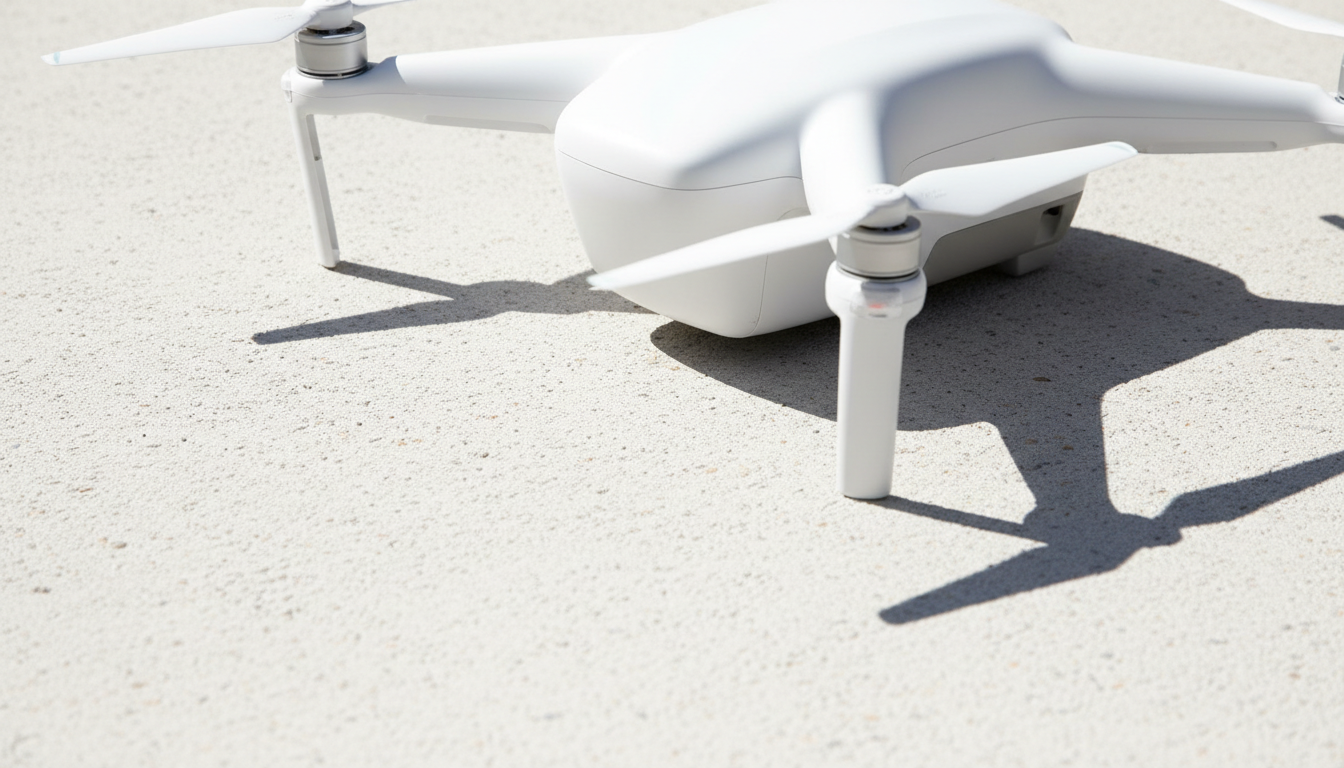
In recent years, autonomous drones have transformed the logistics and delivery landscape, redefining the way goods are transported and delivered around the world. With the integration of artificial intelligence (AI), these flying technologies offer innovative solutions to address the traditional challenges of urban logistics. As demand for faster and more efficient deliveries grows, autonomous drones are becoming a crucial component of the modern supply chain.
Recent advances in regulation, infrastructure and technology have enabled wider adoption of these systems. In 2025, several countries, particularly in Europe and Asia, put in place legal frameworks for the use of drones in urban areas. With these developments, logistics companies are now able to offer services that are faster, more environmentally friendly and more economically viable.
Background/History
Historically, the idea of using drones for delivery goes back several decades, but it was only in the early 2010s that technological progress made it possible to turn this vision into reality. Initially used for military and surveillance applications, drones quickly found commercial applications as the technology became more accessible and affordable.
The first drone delivery experiments were carried out by companies such as Amazon with its Amazon Prime Air programme, which was announced in 2013. Since then, the industry has experienced exponential growth, supported by innovations in sensors, batteries and navigation systems. In 2023, regulations began to ease, allowing for more extensive tests and pilot deployments in complex urban environments.
Applications/Use Cases
Autonomous drones are finding a variety of applications in the logistics sector. In urban areas, operators such as Wing, a subsidiary of Alphabet (the parent company of Google), and Germany's Wingcopter use drones to deliver lightweight parcels, making it possible to bypass heavy traffic and reduce delivery times. For example, in Paris and Berlin, drones are now used to deliver food orders and everyday consumer goods.
In rural and hard-to-reach regions, drones play a crucial role in the delivery of medical supplies. Companies such as Zipline have been pioneers in this field, providing blood and medicine delivery services in remote areas of Africa. This technology has not only improved access to healthcare but has also helped save lives by reducing transport time for critical medical supplies.
Technologies/Methods
Autonomous drones rely on a range of advanced technologies to operate effectively. Artificial intelligence algorithms play a central role in optimising flight paths, detecting obstacles and making real-time decisions. These systems enable drones to navigate complex urban environments, avoiding buildings, trees and other potential obstacles.
At the same time, the integration of the Internet of Things (IoT) allows for more efficient management of drone fleets. IoT sensors collect real-time data on weather conditions, air traffic and the state of the drones, enabling immediate adjustments to optimise operations. Dedicated infrastructure, such as charging stations and landing zones, also facilitates the expansion of drone services.
Challenges/Limitations
Despite significant advances, the adoption of autonomous drones is not without its challenges. Aviation safety remains a major concern, particularly in densely populated areas where the risk of accidents is higher. Regulators must continually assess and adjust safety standards to ensure safe and reliable operations.
In addition, the environmental impact of drones, although smaller than that of traditional vehicles, must be taken into account. Companies are working to develop more environmentally friendly drones, but further efforts are needed to minimise their carbon footprint. Finally, social acceptance and the management of privacy are key elements that influence the perception and adoption of these technologies.
Outlook
The future of autonomous drones looks promising, with growing adoption expected in the years to come. Continued innovations in artificial intelligence and robotics should make it possible to overcome current challenges, paving the way for safer and more efficient operations. The expansion of drone infrastructure and integration with other transport technologies will also drive their adoption.
Market prospects are also favourable, with the global autonomous delivery drone market set to grow strongly by 2026. This growth is fuelled by increasing demand for fast and sustainable delivery solutions, particularly in urban areas where e-commerce continues to thrive.
Koaee, for its part, is developing cutting-edge AI technologies in a distinct field: multilingual conversational assistants for businesses. These assistants support sixteen languages, are built on Mistral's Voxtral and OpenAI's GPT models, run on servers located in Europe and retain no conversations.
Conclusion
In conclusion, autonomous drones represent a major advance in the field of logistics and delivery, offering innovative solutions to address the industry's traditional challenges. Thanks to progress in artificial intelligence and the easing of regulations, these technologies are well positioned to transform the way goods are transported and delivered around the world. As the industry continues to evolve, it is essential that stakeholders collaborate to ensure development that is safe, sustainable and beneficial to society.
Source: Eurostat, “Artificial intelligence by size class of enterprise” (isoc_eb_ai) — enterprises with 10–249 employees, France. Retrieved via API on 30 August 2026. The survey publishes neither 2022 nor 2026: the series stops at the latest available year.
Sources
MarketsandMarkets
International Journal of Robotics Research
IEEE Robotics and Automation Letters
Zipline
Wing